

Choosing a franchise that fits around your existing life rather than consuming it entirely is one of the most common challenges facing UK entrepreneurs today. Whether you are a parent returning to work, a professional looking for a side income, or someone simply wanting to test business ownership before committing fully, part-time franchises offer a proven middle ground. With investment entry points as low as £4,000 and sector-wide profitability rates sitting impressively high, the UK franchise market has matured into a genuinely accessible opportunity. This guide walks you through the evaluation criteria, top options, model comparisons, and real profitability expectations so you can make a confident, informed decision.
Key Takeaways
| Point | Details |
|---|---|
| Flexible franchise paths | UK part-time franchises offer adaptable business models ideal for balancing work, family, and investment constraints. |
| Low-risk, proven returns | Franchises enjoy lower failure rates and high profitability compared to independent startups. |
| Investment and commitment | Entry-level franchises require £4k-£50k and steady effort, with contracts outlining minimum expectations. |
| Lifestyle alignment matters | Successful franchisees match their goals, schedules, and chosen sector for maximum satisfaction and income. |
| Professional support provided | UK part-time franchises supply training, mentoring, and marketing resources to help new entrepreneurs thrive. |
How to evaluate part-time franchise opportunities
Before browsing listings, you need a clear framework for assessing whether any franchise genuinely suits your lifestyle, finances, and goals. Not every part-time opportunity is created equal, and rushing this stage is where many aspiring franchisees come unstuck.
Start with lifestyle alignment. Ask yourself honestly how many hours per week you can commit, which days are available, and whether your domestic situation supports occasional irregular work. Some franchises demand weekend availability or seasonal peaks. Knowing your true availability upfront prevents costly mismatches later.
Investment thresholds matter enormously. UK part-time franchises typically range from £4,000 to £50,000 at the entry level, making them accessible to people who cannot or do not want to raise significant capital. As a general rule, sectors with lower physical infrastructure costs, such as vending, cleaning, or tutoring, sit towards the lower end of that range. Low-investment franchises are widely available and worth reviewing before committing to a more expensive model.
When reviewing any franchise agreement, pay close attention to minimum hour or turnover requirements. Many contracts include clauses that expect franchisees to hit certain revenue targets within a defined period, regardless of hours worked. Ignoring these details can leave you in breach of contract even if you are working hard.
Key criteria to assess before signing anything:
- Flexibility clauses: Can hours be scaled up or down seasonally?
- Mentoring and support: Does the franchisor offer ongoing coaching, not just onboarding?
- Sector resilience: Is demand stable across economic cycles?
- Family involvement: Can a partner or family member share the workload legally under the franchise agreement?
- Exit options: How straightforward is it to sell or transfer the franchise if circumstances change?
Pro Tip: Always request contact details for at least three existing franchisees in the network before signing. Ask them directly whether the part-time reality matches the sales pitch.
As part-time lifestyle franchises note, these models are ideal for lifestyle flexibility and tend to be home-based with low overheads, making them particularly well-suited to first-time business owners balancing other commitments.
Top UK part-time franchise options: Feature overview and case studies
With clear criteria in mind, let’s look at specific franchises making waves in the UK part-time market. These options represent a range of sectors, investment levels, and operational styles worth exploring.
Part-time lifestyle franchises highlight standout examples including Tubz Brands, Petpals, Lawnscience, and Local Treasures, all of which have built solid track records in the UK market.
| Franchise | Sector | Investment | Outlets | Key benefit |
|---|---|---|---|---|
| Tubz Brands | Vending | £4,295 | 300+ | Very low entry cost |
| Petpals | Pet care | £12,500 +VAT | 150+ | Break-even within 12 months |
| Lawnscience | Gardening | £24,152 | 25 | Seasonal flexibility |
| Local Treasures | Home services | Variable | Growing | £80k earning potential |
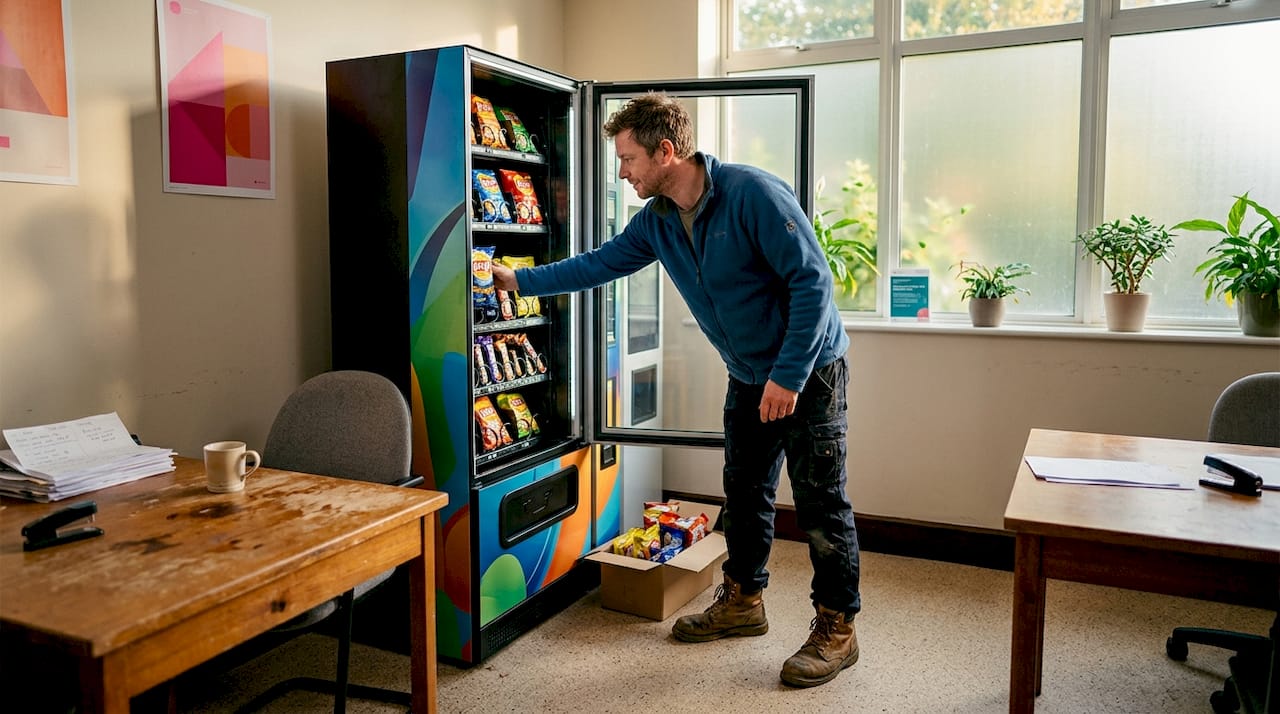
Tubz Brands stands out as one of the most accessible entry points in the UK franchise market. For just over £4,000, you can own a vending machine route requiring only a few hours per week to restock and maintain. It suits people with a car, modest storage space, and a head for simple logistics.
Petpals operates in the resilient pet care sector, which has grown significantly over recent years as UK pet ownership surged. With over 150 franchisees and a realistic break-even timeline of around 12 months, it is a strong candidate for animal lovers wanting structured business ownership. Home-based franchises like Petpals work particularly well for people who want to avoid commercial property costs entirely.
Lawnscience appeals to those who enjoy outdoor work and want genuinely seasonal flexibility. The investment sits in the mid-range, but the repeat-customer model and recurring lawn treatment programmes create reliable income streams once established. Domestic cleaning franchise options and garden services share similar recurring-revenue dynamics worth exploring.
The bfa franchise survey 2024 confirms that the UK franchise sector contributes £19.1 billion to the economy, supports 50,000 franchise units, and sees 89% of those units operating profitably. That macro picture provides reassurance when selecting any reputable franchise from within the established market. Business services franchises are another fast-growing category worth considering alongside traditional service sectors.
Comparison of part-time franchise models: Home, van, and service-based
Having spotlighted individual franchises, let’s break down the common business models for part-time operations. Understanding the structural differences helps you match a model to your actual resources and preferences.
The three dominant models in the part-time UK franchise space are home-based, van-based, and service-based. Each has a distinct cost profile and operational rhythm.
| Model | Start-up cost | Key overhead | Flexibility | Scalability |
|---|---|---|---|---|
| Home-based | Low | Minimal | High | Moderate |
| Van-based | Medium | Fuel and maintenance | Medium | High |
| Service-based | Variable | Labour and tools | High | High |
Home-based franchises require little more than a laptop, phone, and a dedicated working area. Overheads are minimal, and hours are genuinely flexible. The trade-off is that you must be self-disciplined about marketing, client communications, and administration. Without the physical cues of an office or shop environment, staying focused demands real structure.
Van-based franchises involve direct service delivery, typically across a defined territory. Work-from-home franchises and van-based models both minimise commercial premises costs, but van operations require an upfront equipment investment and ongoing running costs. The upside is that you are out in the community, building client relationships face-to-face, which accelerates trust and referrals.
Service-based franchises, which include home care franchise options and personal service models, offer genuine recurring revenue. Clients who book regular appointments or subscriptions generate predictable monthly income, which is extremely valuable when operating part-time.
A useful numbered approach to deciding between models:
- List your available hours and their pattern (mornings only, weekends, evenings).
- Identify sectors you have either personal experience in or genuine interest in.
- Map your budget against the cost profiles in the table above.
- Consider whether family members could assist legally within the franchise agreement.
- Shortlist two or three models and speak directly with active franchisees in each.
Pro Tip: Van-based franchises often allow you to expand by hiring part-time drivers as demand grows, meaning the model scales without requiring you to work more hours personally.
As franchise direct confirms, franchises generally provide training, exclusive territories, and marketing support, with home and van-based models particularly effective at minimising overhead costs for new franchisees. Browsing franchise industries by sector is a practical way to compare models side by side.
Profitability, risks, and expert considerations for UK part-time franchises
Once models are clear, understanding profitability and real-world risks completes the decision process. The good news is that franchising carries considerably lower risk than independent start-ups.
The bfa franchise survey 2024 places the UK franchise failure rate at just 0.5%, compared with approximately 50% for independent business start-ups within five years. That is a striking difference and one of the most compelling reasons to consider a franchised model over launching from scratch.
Key profitability and risk considerations for part-time franchisees:
- Income is proportional to hours: Part-time commitment typically produces part-time income. Be realistic about earnings expectations from the outset.
- Minimum targets exist: Many contracts stipulate a minimum annual turnover. Failing to meet it can trigger penalties or termination clauses.
- Sector resilience matters: Services tied to everyday needs, such as cleaning, pet care, or gardening, tend to weather economic downturns better than discretionary spending sectors.
- Women and parents benefit significantly: Flexible franchise models have opened business ownership to demographics historically underserved by traditional employment structures.
- Growth potential: Many franchisees start part-time and transition to full-time as revenue grows, using their initial period as a low-risk testing phase.
Understanding franchise profitability factors in detail is essential before committing capital. Reading about the most profitable franchises in the UK also helps calibrate realistic expectations against sector benchmarks.
If you are weighing part-time against full-time franchise comparison options, it is worth modelling out both scenarios financially before deciding. Some franchises explicitly prohibit part-time operation, so always confirm status before investing time in due diligence.
What most guides miss about part-time franchising in the UK
Most comparison guides stop at investment figures and sector lists. What they rarely address is the psychological and practical gap between expectation and reality once you are actually running the business.
Part-time franchises are more demanding than their marketing suggests. Even a ten-hour-per-week operation carries administration, social media, client queries, invoicing, and quality checks. These tasks do not disappear simply because your franchise agreement classifies the role as part-time.
The most common mistake new franchisees make is underestimating contractual minimum targets. A franchise promising lifestyle freedom can become a source of stress if your contract demands a minimum annual turnover you are not yet generating. Read every clause carefully and seek independent legal advice before signing.
The hidden benefit that experienced operators mention consistently is the power of family or team involvement. Contracts may permit shared workload, and a partner or trusted family member helping with admin or customer communication can effectively double your output without doubling your personal hours.
If your primary goal is passive income, most part-time franchise models will disappoint. They reward active, engaged owner-operators. Reviewing profitability wisdom in context of your own situation will help you separate realistic ambition from wishful thinking.
Explore UK franchises: Your next step to flexible business ownership
Ready to move from research to action? Franchiselocal.co.uk gives you direct access to hundreds of vetted UK franchise opportunities filtered by investment level, lifestyle preference, and industry sector. Whether you are drawn to home-based vending, outdoor services, or professional consultancy models, the directory makes it straightforward to compare options side by side. Start with the franchise guide for a grounded introduction, or go deeper with the ultimate franchise guide before browsing the full franchise directory to find the opportunity that matches your life.
Frequently asked questions
What investment is required for part-time franchises in the UK?
Typical entry investments range from £4,000 to £50,000, depending on the sector and franchise brand you choose.
Is operating a part-time franchise truly flexible?
Most part-time franchises do offer flexible hours, but agreements often set minimum effort or income levels that franchisees must meet regardless of schedule.
Are part-time franchises safer investments than launching a typical startup?
Yes. UK franchises carry a failure rate under 1%, far lower than independent start-ups, with the vast majority of franchise units remaining profitable over the long term.
Can you run a part-time franchise alongside other work or family commitments?
Many UK franchisees do exactly that, particularly in home-based or restricted-hour sectors where family involvement is permitted and actively encouraged by franchisors.
What kind of support do part-time franchisees receive?
Support from franchisors typically includes training, an exclusive territory, marketing assistance, and ongoing mentoring designed to help owner-operators build sustainable businesses from day one.