

Franchise matching is the structured process a consultant uses to map your profile to franchise opportunities and deliver a vetted shortlist, not a sales pitch. A consultant builds a picture of your finances, skills and goals, screens the market against that profile, and hands you a short list of franchisors worth meeting along with a checklist for what to do next.
Step-by-step: how consultants match you to franchises
The process follows a fairly consistent sequence, whether you work with an independent consultant or a broker tied to a network.
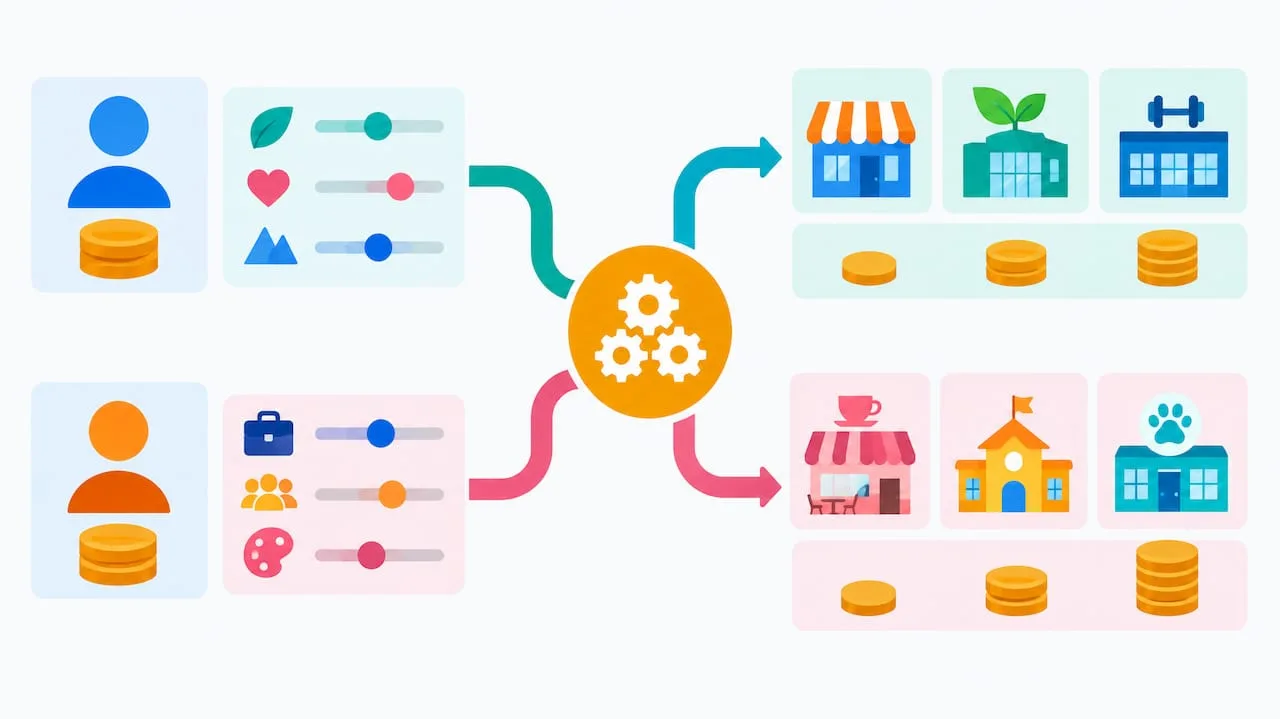
- Intake and self-assessment: you complete a profile covering available capital, skills, time commitment and personal goals.
- Search and sourcing: the consultant checks directories, franchisor databases and their own network for opportunities that fit your brief.
- Shortlisting and scoring: each option is scored against your profile so you see why it made the cut.
- Validation prep: the consultant gathers franchisor disclosures, accounts and performance data ahead of your own due diligence.
- Introductions and meetings: you speak with franchisors directly, often with the consultant present or briefed beforehand.
- Negotiation support: the consultant may help you interpret terms, though the agreement itself is between you and the franchisor.
What this typically produces:
- A shortlist of three to six franchisors matched to your profile.
- A one-page rationale explaining why each option fits.
- A checklist of documents and questions for your next meeting.
Expect four to eight weeks from intake to shortlist, longer if your capital or location requirements are unusual. A consultant who skips the intake stage or hands you a generic list on day one is not matching, they are distributing leads.
What consultants assess in your profile
Matching only works if the inputs are accurate, so consultants probe several areas before suggesting anything.
- Goals and lifestyle fit: whether you want a hands-on operator role, a semi-passive investment, or something that fits around existing commitments.
- Financial position: total capital available, how much is liquid, and whether you will need external finance.
- Skills and experience: management background, sector exposure and whether you plan to work in the business or manage staff.
- Time model: owner-operator versus investor-manager, which filters out entire categories of franchise.
- Geography: where you can realistically operate, given territory availability.
Pro Tip: Write down your maximum total investment, not just the headline franchise fee, before your first consultant call: it keeps the conversation anchored to what you can actually afford.
A consultant translates these answers into franchise types and investment bands, which is why two candidates with similar capital can end up with completely different shortlists.
How consultants source and screen franchise opportunities
A reliable shortlist depends on where the options come from and how thoroughly they are checked before they reach you.
- Specialist franchise databases and marketplaces, cross-referenced against what the franchisor discloses directly.
- Financial and unit-performance checks, including turnover trends across existing outlets where this is available.
- Reference calls with current franchisees, asking about support, profitability and whether reality matched the pitch.
- Territory and exclusivity checks, confirming the area on offer is not already committed elsewhere.
- Verification of training and ongoing support claims against what the franchisor’s own documentation states.
Watch for red flags during this stage: high franchisee turnover, vague or missing performance figures, and support promises that are never written down anywhere. A consultant who cannot answer basic questions about franchisee churn in a given network has not done this step properly.
Fee structures and what they mean for affordability
Franchise finances have a fairly predictable shape in the UK, and understanding it helps you judge whether a shortlisted opportunity is realistic.
Under a typical UK franchise agreement, the franchisor grants use of its business system for a fixed period, commonly five to ten years, in exchange for an initial fee and continuing fees, which may be a percentage of turnover, a fixed payment per outlet, or a mark-up on supplies, as HMRC’s internal manual on franchising sets out.
Beyond the headline fee, budget for:
- Premises fit-out and equipment, which varies enormously by sector.
- Working capital to cover the first several months of trading.
- Marketing levies, often a separate percentage on top of management fees.
A smaller business’s access to finance depends on a varied market of providers, and the British Business Bank’s small business finance report recommends weighing a mix of finance routes rather than assuming one lender type suits every case. A consultant should build a simple affordability model with you, comparing total investment against your available capital and any finance you can realistically secure, before a franchisor is approached. For property-heavy franchise formats, it is also worth reading about franchise real-estate financing routes, which cover lending structures suited to acquiring or fitting out commercial premises.
Due diligence and the legal checks that matter
The franchise agreement is the main legal protection you have, since franchising itself is not covered by specific statute in the UK. Business treats it as the primary document buyers should rely on, and recommends a specialist franchise solicitor to review it properly.
Specific clauses worth checking line by line:
- Territory and exclusivity, including what happens if boundaries change.
- Renewal rights and the conditions attached to them.
- Resale and exit terms, since these affect what you can recover if you leave.
- How continuing fees are calculated, particularly where turnover-based percentages apply.
Ownership of goodwill and the tax treatment of fees also depend on the contract’s wording, a point covered in HMRC’s guidance on franchise rights and goodwill. Request current accounts, performance data, operational manuals and any supplier agreements from the franchisor, and ask your consultant to organise these into a single pack before they go to your solicitor. Our franchise due diligence guide walks through this checklist in more detail.
Questions to ask a franchise consultant before you commit
A short list of direct questions tends to separate a genuinely useful consultant from someone running a lead-generation funnel.
- How are you paid, and do you receive referral fees from any franchisor on my shortlist?
- How do you verify franchisor performance figures, and can I speak to existing franchisees?
- How many successful matches have you made recently, and what does success mean to you?
- What support do you provide after a match, during negotiation and onboarding?
- What costs beyond the franchise fee should I expect to budget for?
Clear, specific answers to all five are a good sign. Vague answers to the first one are not.
Benefits and limits of using a matching service
A consultant genuinely speeds things up: you get structured assessment, access to networks you would not find alone, and support during negotiation. That is worth something if your time is limited or the market is unfamiliar to you.
The limits are real too. Fees and potential referral incentives can colour recommendations, and no consultant replaces a solicitor’s review of the agreement itself.
- DIY research can suffice for lower-investment, straightforward franchise models you already understand.
- Professional help earns its keep for higher investment, unfamiliar sectors, or when you are short on time to screen options yourself.
Pro Tip: If a consultant pushes one franchisor hard before asking detailed questions about your finances and goals, treat that as a signal to slow down.
Using Franchiselocal to start your own matching process
Our directory enables you to run the early stages of matching yourself, on your own schedule, before you speak to a consultant. Search and filter opportunities by investment level, industry and lifestyle fit across our listings, then narrow things down using our franchise affordability calculator and ROI estimator to see which options suit your capital and expected returns.
- Browse trending franchise opportunities to see what is attracting interest right now.
- Use our planning toolkit to pull your shortlist and figures together in one place.
Research freely on the site, but always finish with a specialist franchise solicitor reviewing the actual agreement before you sign anything. When you are ready to see what fits, start with our trending franchise opportunities.
FAQ
What are the four P’s of franchising?
The four P’s commonly used in franchising discussions are product, price, place and promotion, the same marketing framework applied to any business, adapted to how a franchisor and franchisee share responsibility for each. Different advisers sometimes use variations of this framework, so it is worth asking a consultant which version they apply.
What is a downside of franchising?
A significant downside is the ongoing loss of full control, since you operate under the franchisor’s system, branding and fee structure for the length of the agreement. Continuing fees, often a percentage of turnover, reduce your margin regardless of how the business performs that month, as outlined in HMRC’s franchising guidance.
What is the average franchise fee in the UK?
There is no single average fee, because initial and continuing fees vary by franchisor and sector, with continuing fees commonly structured as a percentage of turnover, a fixed payment, or a mark-up on supplies. Check each franchisor’s own disclosure documents for exact figures rather than relying on a sector-wide average.
Which franchise is best for beginners?
The best franchise for a beginner depends on your available capital, time commitment and sector interest rather than any single named brand. Our industry pages let you filter by investment level and lifestyle fit to find formats suited to someone starting out.
How long does franchise matching usually take?
A typical matching process runs four to eight weeks from initial intake to a finished shortlist, though unusual location or capital requirements can extend that. The timeline depends heavily on how quickly you complete the self-assessment stage and how responsive franchisors are to introductory enquiries.