

Every UK franchise needs a small set of core covers, and one of them is not optional. Employers’ liability insurance is a legal requirement for almost any franchise with staff, with a minimum of £5 million cover from an authorised insurer. Beyond that, public liability, professional indemnity, property and business interruption cover round out what most franchisees need. Check your franchise agreement and your employers’ liability certificate before you do anything else.
1. Required cover and the core policies franchise businesses should hold
Franchise businesses tend to need the same small group of policies, though the mix depends on whether you run a retail unit, a home-based operation or a mobile service.
Employers’ liability covers claims from staff injured or made ill through their work, and it is compulsory for most employers in Great Britain. Public liability protects against claims from customers or members of the public injured on your premises or by your business activities, which is why most franchisors and commercial landlords insist on it before handing over keys. Professional indemnity covers claims arising from advice or services that go wrong, relevant to franchises built around consultancy, training or technical services. Property and contents cover protects the building, fixtures and stock, usually specified by the landlord for a retail unit. Commercial vehicle insurance applies to mobile franchises such as cleaning, courier or home-visit care services. Product liability matters for any franchise that manufactures, sells or supplies physical goods, from food outlets to retail. Cyber cover is increasingly requested by franchisors whose systems handle customer payment data or bookings.
A few points determine which of these apply to your outlet:
- Retail or hospitality units usually need property, public liability and product liability together.
- Home-based or mobile franchises lean on public liability, commercial vehicle and professional indemnity.
- Any franchise with even one employee needs employers’ liability by law, regardless of trading model.
Franchisors frequently write minimum cover requirements into the franchise agreement itself, particularly for public liability and product liability, because a claim against one outlet can affect the wider brand’s reputation.
2. Who is responsible: franchisor vs franchisee and joint liability issues
Franchise agreements almost always specify who must hold which policy, and the detail matters more than it looks. Many agreements name the franchisor as an additional interested party or require an indemnity to principal clause, meaning your insurer must notify the franchisor of major changes or cancellations.
Joint exposure tends to show up in a few recurring scenarios:
- An employment dispute at one outlet can draw in the franchisor if staff contracts reference head office policies or training standards.
- A product defect that originated from a centrally supplied recipe or component can trigger claims against both franchisee and franchisor.
- Shared premises or co-branded marketing can blur who is liable for a public liability claim.
Our guide to franchise employers’ liability sets out how these joint liability questions tend to play out in practice for UK franchisees.
Pro Tip: If your franchisor requires a higher limit than the legal minimum, ask your broker for written confirmation that the policy meets that exact figure, not just “£5 million or more”.
If a franchisor insists on a specific insurer panel or minimum excess, get that requirement in writing and check it against your renewal schedule every year, because franchise agreements sometimes tighten these clauses without much notice.
3. How to buy franchise insurance in the UK: routes and regulatory requirements
You can buy franchise cover three ways: directly from an insurer, through a broker, or via a comparison site. Direct insurers suit simple, single-site franchises with standard risks. Brokers earn their fee when your risk profile is more complex, such as multi-site operations, food production or anything involving professional advice, because they can negotiate wording and spot gaps a standard policy misses. Comparison sites work best as a first filter rather than a final decision, since franchise-specific exclusions rarely show up in a quick online quote.
Whoever you buy from, check they are allowed to sell insurance in the UK. Arranging or advising on insurance generally requires FCA authorisation, and firms operating without it are committing a criminal offence. Some smaller brokers operate as appointed representatives under an authorised principal firm, which is a legitimate route, though the connected contracts exclusion that allows it is narrow and worth asking about directly.
Before requesting quotes, gather:
- Current and projected employee numbers.
- Annual turnover and projected turnover for new outlets.
- A full asset list covering equipment, stock and fit-out value.
- The insurance clauses from your franchise agreement, including any named insured or minimum limit requirements.
- Details of any previous claims, even minor ones.
Having these ready cuts the back-and-forth with a broker and tends to produce a more accurate first quote. Our franchise legal requirements overview is a useful companion when matching agreement clauses to the cover you need to request.
4. Policy wording pitfalls and real UK claim examples
The policy document matters more than the premium you pay for it. Many disputes come down to a single definition buried in the schedule rather than the headline cover amount.
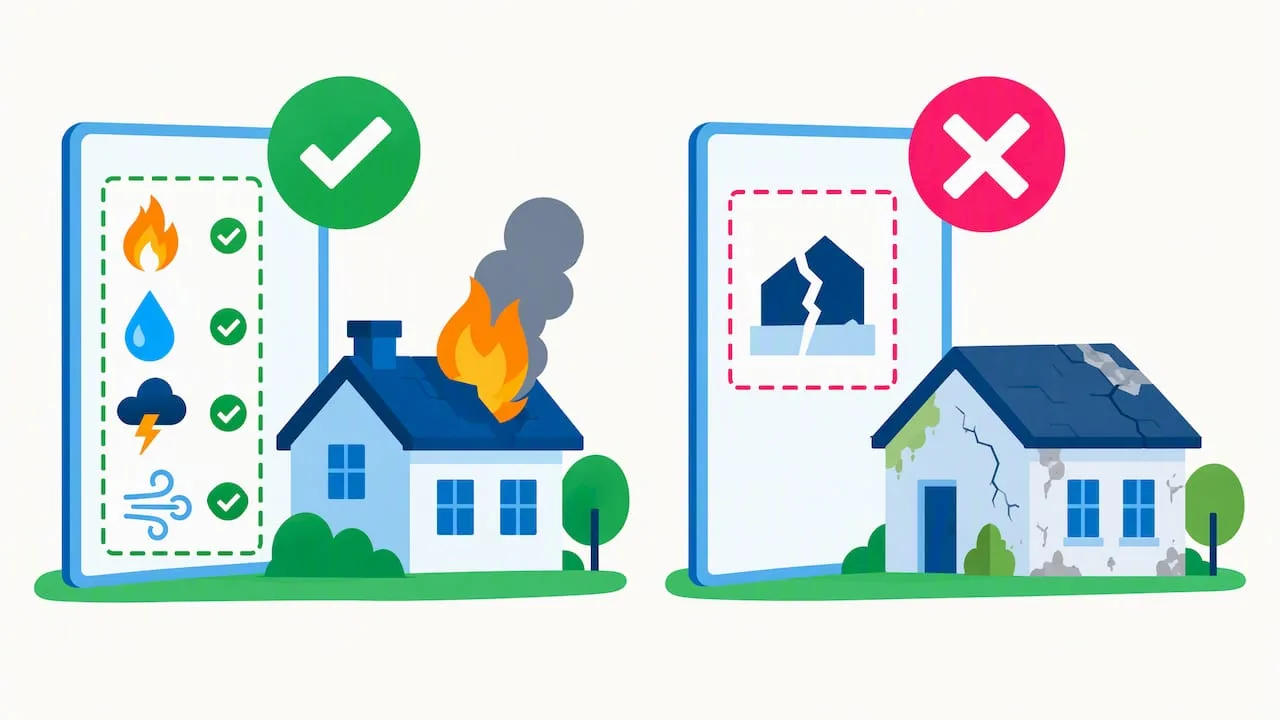
Business interruption policies often list specified diseases by name rather than covering illness generally, so an outbreak not on that list can fall outside cover entirely. Property policies frequently define “damage” narrowly, excluding gradual deterioration or latent defects that only become visible months later. Financial Ombudsman Service decisions show insurers successfully declining business interruption claims purely because the event in question did not match the policy’s specific disease list or damage definition, regardless of the real-world impact on the business.
Around half of UK SMEs hold employers’ liability and public liability cover, according to ABI research, which leaves a notable gap given that one of those two is a legal requirement for almost any employer.
When reading a quote or renewal document:
- Check the schedule for named exclusions, not just the headline cover types.
- Read the definitions section for words like “damage”, “notifiable disease” and “premises”, since these shape what actually gets paid.
- Note the claims notification window, as late reporting is a common reason insurers decline otherwise valid claims.
5. Practical checklist: what to check in a franchise insurance policy
Work through this before you sign anything:
- Confirm employers’ liability cover meets or exceeds the £5 million legal minimum, and check whether the franchisor needs to be named or hold an indemnity to principal clause.
- Check indemnity limits and excesses for public liability and product liability against what your franchisor’s agreement specifies.
- Confirm the territorial scope covers every location you trade from, including any mobile or multi-site element.
- Check what triggers business interruption cover and whether the disease or event list matches your actual risk.
- Record the insurer’s FCA authorisation details and save a copy of the claims process and contact line.
- Keep digital and paper copies of every certificate and endorsement, including historic ones from previous policy years.
Pro Tip: Store your employers’ liability certificate where staff can see it or access it digitally. Not displaying it can bring a £1,000 fine on top of the penalty for having no cover at all.
Our franchise risk assessment guide walks through the wider risk picture alongside this checklist, useful if you are weighing up an outlet before you commit.
6. How Franchiselocal helps franchisees prepare for insurance conversations
Getting a useful quote starts with having your numbers straight, and we built tools that help with exactly that groundwork.
- Our affordability calculator helps you work out the turnover and investment figures brokers ask for upfront.
- Our cash flow visualiser helps you map projected income against costs, useful when a broker asks how a business interruption claim would affect your trading.
- We offer industry filters and curated listings that group franchises by sector, helping you consider operational details (staffing patterns, vehicle use, customer footfall) that insurers typically ask about for your type of outlet.
Walking into a broker conversation with turnover, staffing and asset figures already assembled tends to produce a faster, more accurate first quote.
7. Find your franchise and get insurer-ready figures sooner
Sorting your insurance starts with knowing the business you are insuring, and that is where we come in. Browse our trending franchise opportunities to see live listings across sectors, each with the investment level and operating model that shapes what cover you will need.
- Use our affordability calculator to work out turnover and investment figures before you speak to a broker.
- Use our cash flow visualiser to map income against outgoings, handy for business interruption conversations.
- Use our ROI and profitability estimator to pull together the financial picture insurers often ask for.
Browse business services franchises or our ultimate guide to franchising to see how your sector’s typical setup shapes the cover you will need.
FAQ
Who owns UK insurance?
The UK insurance market is made up of many private insurers, mutuals and Lloyd’s of London syndicates rather than a single owner. Firms arranging or selling insurance must generally hold FCA authorisation, which regulates conduct across the market rather than ownership of it.
What is business liability insurance?
Business liability insurance covers claims made against a business for injury to people or damage to property, and it typically includes employers’ liability, public liability and sometimes directors’ and officers’ cover, according to the ABI. For most UK franchises, employers’ liability is a legal requirement while public liability is usually required contractually by the franchisor or landlord.
What are the main types of insurance a franchise needs?
Franchise businesses commonly need employers’ liability, public liability, professional indemnity, property, business interruption, product liability and increasingly cyber cover. Which ones apply depends on whether the outlet is retail, home-based or mobile, and franchise agreements often specify minimum limits for several of these.
How do I become an insurance broker in the UK?
Becoming an insurance broker in the UK generally means applying for FCA authorisation as a general insurance intermediary, or joining an authorised firm as an appointed representative. The application involves demonstrating competence, financial standing and suitable systems, and operating without the required authorisation is a criminal offence.
Is employers’ liability insurance always required for a franchise?
Employers’ liability insurance is required for almost any UK franchise that employs staff, with a minimum of £5 million cover from an authorised insurer. A narrow set of exemptions exist, set out in HSE guidance, but most trading franchises with employees will need to hold it.